
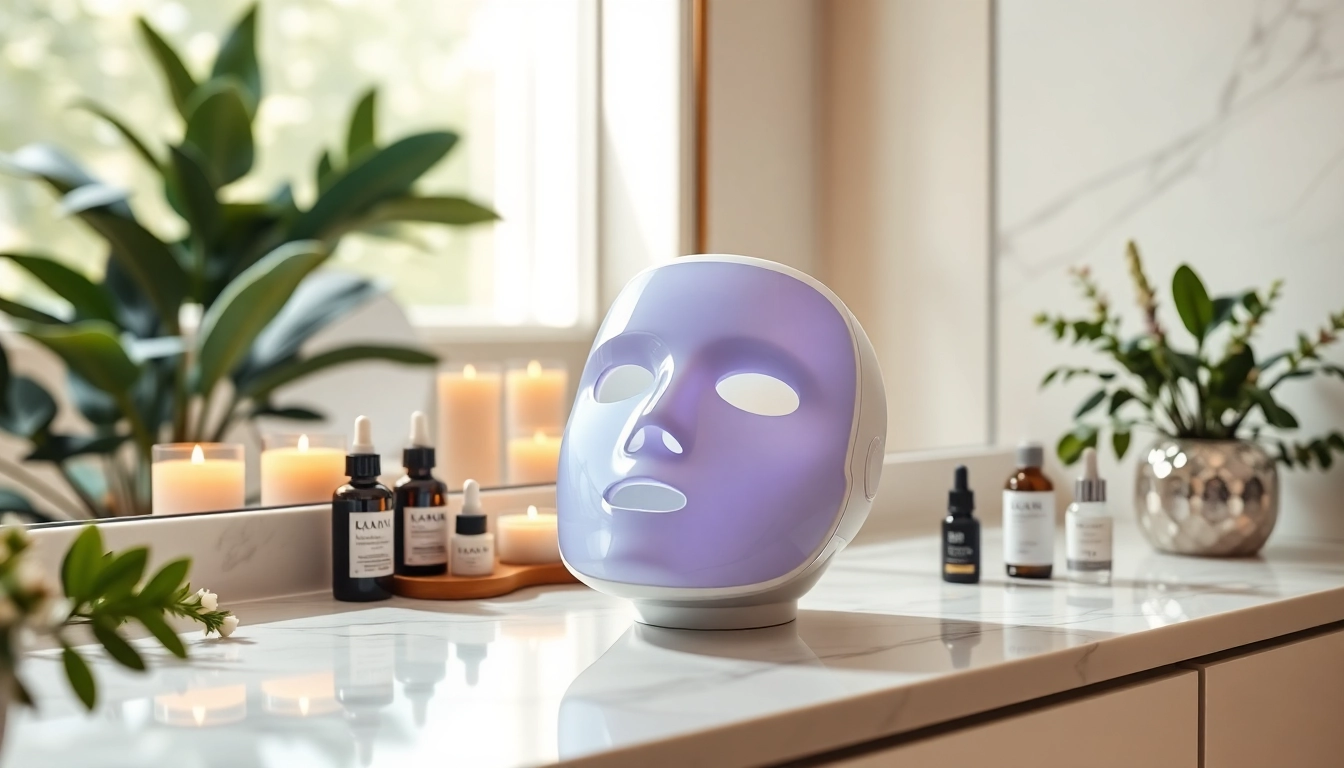
Understanding the Infrared Mask and Its Impact on Skin Health
The market for skincare technology is rapidly evolving, and one of the standout innovations is the infrared mask. This device combines the latest in LED therapy with the benefits of infrared light, catering to a wide range of skin issues, from anti-aging to acne treatment. Essentially, an infraröd mask harnesses the power of light to penetrate the skin at varying depths, stimulating cellular processes that promote healthier skin. In this comprehensive guide, we will explore what an infrared mask is, how it works, its scientific underpinnings, and the various types available on the market.
What Is an Infrared Mask?
An infrared mask is a skincare device that utilizes light-emitting diodes (LEDs) to deliver specific wavelengths of light to the skin. These masks often include a combination of red, blue, and near-infrared lights, each serving a distinct purpose. The red light is primarily aimed at stimulating collagen production and enhancing skin elasticity, while blue light targets acne bacteria and reduces inflammation. Near-infrared light penetrates deeper layers of the skin, promoting circulation and accelerating healing processes.
How Does the Infrared Mask Work?
The mechanism by which infrared masks operate is rooted in photobiomodulation, a process where light energy is absorbed by skin cells, triggering biochemical reactions that lead to improved cell function and health. When specific wavelengths of light penetrate the skin, they stimulate the production of adenosine triphosphate (ATP), the energy currency of cells. This increased energy helps skin cells perform their functions more effectively, resulting in firmer, healthier skin.
Scientific Background and Benefits
Various studies support the effectiveness of infrared masks. Research published in “Photomedicine and Laser Surgery” has shown that red light therapy significantly enhances collagen production and reduces the appearance of fine lines and wrinkles. Similarly, a study in “Lasers in Surgery and Medicine” confirmed that LED masks can improve acne and accelerate wound healing. Additionally, NASA’s research into LED technology for astronauts revealed its potential to reduce inflammation and promote tissue repair, further solidifying its credibility in the skincare arena.
Different Types of Infrared Masks
The market offers a variety of infrared masks, each designed with different features and functionalities to cater to individual skin needs. Understanding these variations is crucial for choosing the right product for your skincare routine.
Comparative Analysis of Mask Variants
Several brands provide different types of infrared masks, often featuring unique technologies or design elements. For instance, some masks may incorporate cooling technologies to enhance comfort during treatment, while others emphasize adjustable light settings for personalized skincare. Masks can vary in terms of LED quantity, light wavelength combinations, and ergonomics, impacting their effectiveness for specific skin concerns.
Choosing the Right Infrared Mask for Your Skin Type
Selecting the right infrared mask involves considering your skin type and specific issues. For instance, if you struggle with acne, a mask featuring blue light may be best, while those looking to combat signs of aging might focus on options rich in red light. Consulting with a dermatologist can also provide tailored recommendations based on individual skin needs.
Market Trends for 2026: What’s New?
As technology evolves, so too does the infrared mask market. Innovations around comfort, portability, and multi-functionality are becoming prevalent. Consumers are increasingly looking for devices that offer a full skincare solution, often integrating additional features like skincare product infusion capabilities. Sustainability is also a growing concern, with companies striving to create eco-friendly devices and packaging.
Best Practices for Using an Infrared Mask
To maximize the benefits of an infrared mask, it is essential to follow best usage practices. Regular sessions and a holistic approach to skincare can enhance outcomes significantly.
Optimal Usage Frequency and Duration
Experts recommend using an infrared mask 3-5 times per week, with each session lasting between 15 to 20 minutes. Consistency is key, and maintaining a routine can lead to noticeable improvements in skin texture and appearance over time.
Combining Infrared Masks with Other Skincare Routines
Integrating the use of an infrared mask with a complete skincare regimen can amplify results. For instance, applying serums or moisturizers post-treatment can enhance absorption and effectiveness. Additionally, combining this technology with other treatments like microcurrents or ultrasound can yield synergistic benefits, further improving skin health.
Common Mistakes to Avoid
Achieving the best results with an infrared mask involves avoiding common pitfalls. Users should not exceed recommended session durations or frequencies, as overuse can lead to skin irritation. Furthermore, neglecting to clean the device properly after each use can diminish its effectiveness and hygiene.
Real-World Results: What Users Are Saying
Many users have reported impressive results after incorporating infrared masks into their skincare routines, sharing transformative testimonials and evidence of improved skin health.
Case Studies and Personal Testimonials
Numerous individuals have experienced remarkable changes, ranging from reduced acne breakouts to firmer, more luminous skin. Case studies highlight the diversity of results, showcasing how different skin types and conditions can benefit from this technology.
Measurements of Efficacy and Skin Improvements
In various clinical settings, efficacy measurements indicate significant improvements in skin quality metrics, such as hydration levels and wrinkle depth reduction. Users often note visible changes within weeks of regular use.
Expert Opinions and Dermatologist Recommendations
Dermatologists frequently endorse infrared masks as effective, non-invasive tools for enhancing skin health. Their opinions correlate with documented findings, suggesting a strong alignment between clinical practice and consumer experiences.
Future of Infrared Technology in Skincare
The landscape of skincare technology is poised for rapid advancements, particularly in the realm of infrared masks.
Innovations on the Horizon for 2026
Future innovations may include enhanced connectivity features, like app integration for tracking progress and adjusting settings based on real-time skin assessments. The trend toward customizable user experiences is anticipated to grow, catering to personalized skincare needs.
How Infrared Masks Are Evolving
As competition increases in the skincare technology market, manufacturers are focusing on improved designs, better energy efficiency, and the integration of complementary technologies. The evolution of infrared masks will likely include advancements in form-factor and functionality, positioning them as multifunctional skincare devices.
Impact on the Beauty Industry and Consumer Choices
The rise of infrared masks and similar technologies is reshaping consumer choices and expectations in the beauty industry. As education and awareness increase, consumers are more equipped to choose products that align with their skincare goals, driving demand for more effective and scientifically backed solutions.